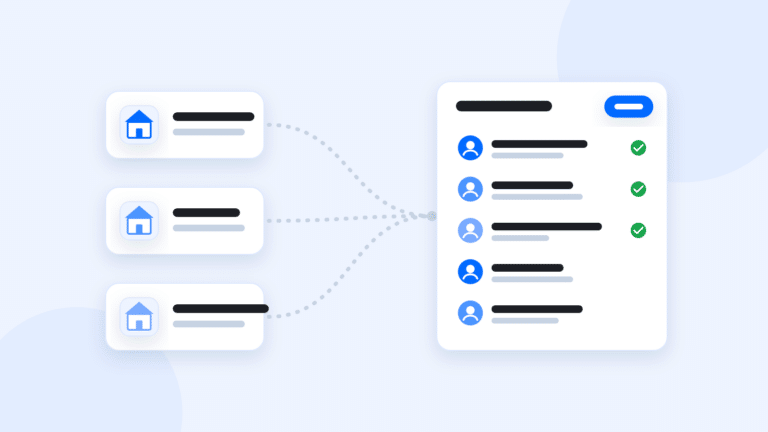
Farming a neighborhood online, also called geographic farming, means picking one area and becoming the most useful agent for it: a real neighborhood page on your site, a monthly update owners actually want, every sale shown and reviews that name the area. Done for a year or more, it’s how owners start thinking of you when they’re ready to sell.
Pick the right farm
A farm works when there’s enough business and you can stand out. Before you commit, look at the area in your MLS.
- Turnover. How many homes sold there in the last 12 months? More sales means more chances to be the agent on the sign.
- Competition. Is one agent already listing most of the homes? It’s easier to win an area nobody owns yet.
- Your connection. Do you live there, have past clients there or know the schools, parks and streets? That’s your edge, and it shows in what you write.
- Size. Start with one area you can actually cover. You can add a second once the first one runs on its own.
Build one great neighborhood page
Your neighborhood page is home base for the farm. Every post, ad, mailer and QR code points back to it.
- Open with a 2-sentence answer to “what’s it like to live here?”
- Add a live search of homes for sale in the area, so visitors can save a search and get alerts.
- Add real local detail: parks, commute routes, shopping and links to official school information.
- Add the questions owners and buyers ask you, with short, honest answers.
- Show recent sales where your MLS allows it, plus a clear way for owners to ask what their home is worth.
Don’t describe who the neighborhood is for. Describe the place. “Quiet streets, two parks and a 10-minute drive to the 101” is the right kind of detail.
Show up every month
Owners don’t need a lot from you. They need something useful, often enough that they remember your name.
- A monthly market note. What listed, what went under contract and what sold in the neighborhood, in a few sentences. Post it on your site and send it to owners who’ve signed up.
- Every sale, every time. A just sold post or note for each sale you’re part of in the area. See just sold marketing.
- One local story a month. A new restaurant, a park update, a client story that names the street. Real experience is what search engines and AI answers look for.
- Reviews that mention the area. Ask happy clients for a Google review within a week of closing, and let them describe the neighborhood in their own words.
- Your Google Business Profile. Share your neighborhood updates there too.
If you also mail the area, put the page’s address or a QR code on every piece so the mailer and the website work together.
Where ads fit, and where they don’t
Ads can speed up a farm, but housing rules change how. Meta and Google run housing ads under special rules. Neither lets you target housing ads by ZIP code, and Meta requires a minimum radius around any location you pick. So you can’t aim an ad at just the 400 homes in one subdivision.
What works instead:
- Search ads with the neighborhood name. “[Neighborhood] homes for sale” or “[neighborhood] home value,” landing on your page.
- Home value ads for a broader area around the farm, sending owners to your home value page.
- Listing promotions for every listing you get in the farm. Each one doubles as an ad for your next seller.
The real estate ads guide covers the rules in more detail.
Track it like a business
A farm is slow at first. Give it at least a year, and track a few numbers every quarter:
- Owners who signed up for updates or asked for a home value
- Visits to your neighborhood page
- Reviews that mention the area
- Listing appointments and listings from the farm
Tag every contact from the farm in your CRM, like “farm: Oak Hollow,” so you can see the whole picture in one list.
The short version
Pick one area, build one great page, send something useful every month and show every sale. On a GGMS site, the neighborhood page carries a live search, and the home value card sits in your search results, so owners who browse become seller leads in your CRM. Read the lead generation guide or the hyperlocal SEO guide for what to publish.